The Perfect Weather Window: Ideal Temperature and Conditions for Painting Your House Exterior
Reading time: 9 minutes
Ever painted a house exterior only to watch it peel, bubble, or streak within a season? You’re not alone. Weather timing is the single most underestimated factor in exterior painting projects, and getting it wrong can cost homeowners thousands in redo work. Let’s break down exactly what conditions professional painters look for before they even open a can of paint.
Table of Contents
- Why Weather Matters More Than the Paint Brand
- The Ideal Temperature Range for Exterior Painting
- Humidity, Wind, and Sunlight: The Hidden Variables
- Seasonal Planning for 2026
- Common Mistakes and How to Avoid Them
- Weather Condition Comparison Chart
- Frequently Asked Questions
- Your Painting Weather Checklist
Why Weather Matters More Than the Paint Brand
Here’s the straight talk: even premium paint fails when applied under poor atmospheric conditions. Paint is a chemical system—it needs specific temperature and moisture parameters to cure properly, form a durable film, and bond to the substrate. Rush the process, and you’re not saving time; you’re setting up a callback.
According to the Paint Quality Institute, roughly 60% of premature exterior paint failures reported in 2025 were traced back to application during unsuitable weather rather than product defects. That statistic alone should change how you plan your next project.
Quick Scenario: Imagine spending $4,500 on a full exterior repaint, only to see cracking and peeling within 14 months. In most documented cases, the culprit wasn’t the paint—it was applying latex paint when the surface temperature dropped below 50°F overnight, preventing proper film formation.
The Ideal Temperature Range for Exterior Painting
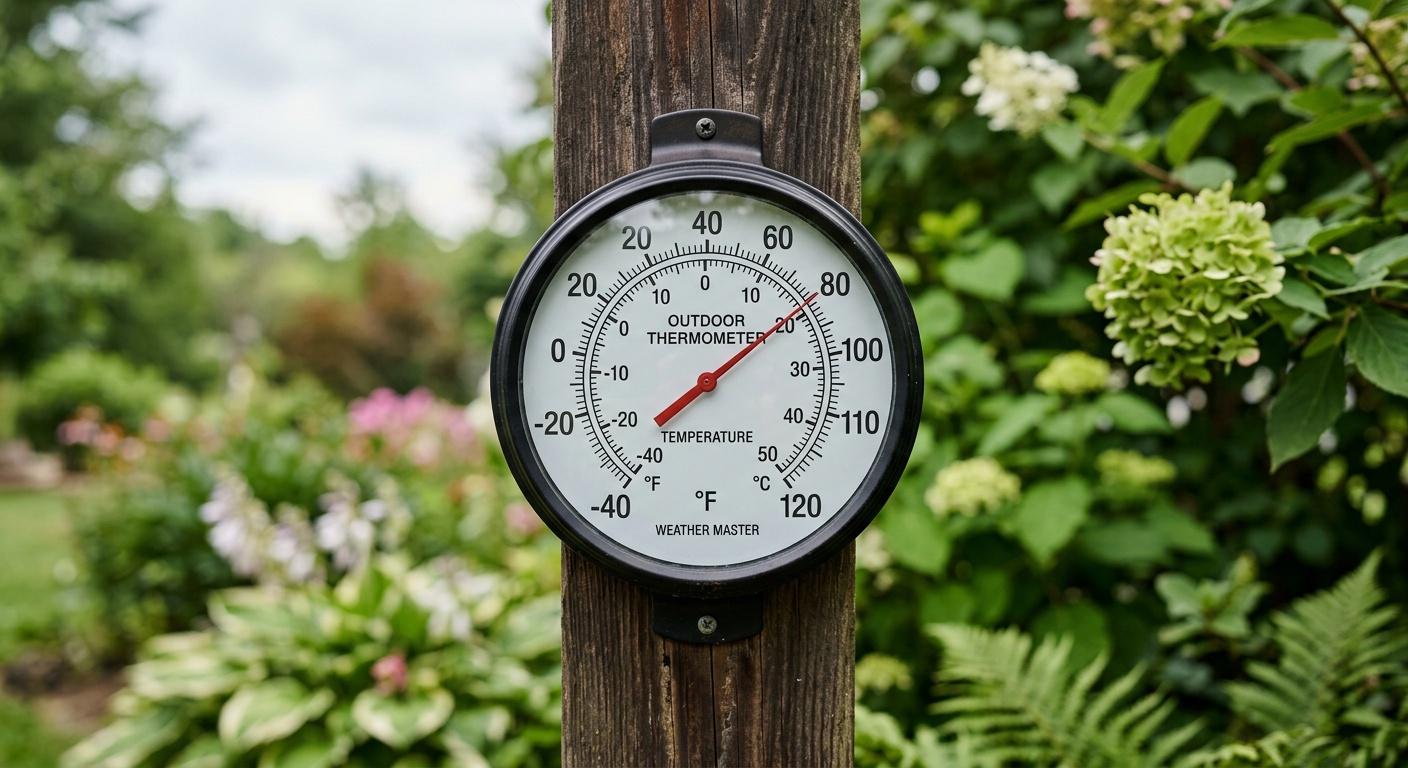
Most modern acrylic latex paints perform best between 50°F and 85°F (10°C to 29°C). Below that range, the paint doesn’t coalesce properly, leading to a chalky, weak film. Above it, the paint can dry too fast on the surface before it bonds—a phenomenon painters call “skinning.”
Daytime vs. Nighttime Temperature Swings
This is where many DIYers get tripped up. You might paint at a comfortable 68°F in the afternoon, but if temperatures dip below 40°F overnight, the curing process halts prematurely. In 2026, several paint manufacturers have introduced “cold-weather formulas” rated down to 35°F, but even these require at least 8-10 hours above the minimum threshold after application.
Pro Tip: Check the 48-hour forecast, not just the day’s forecast. Curing continues well after the paint feels dry to the touch.
Surface Temperature vs. Air Temperature
Don’t just trust the weather app—invest in an infrared thermometer. A wall facing direct afternoon sun can register a surface temperature 20-30 degrees higher than the ambient air temperature. Painting on a scorching, sun-baked wall causes lap marks and uneven sheen, even if the “air temperature” looks ideal.
Humidity, Wind, and Sunlight: The Hidden Variables
Temperature gets all the attention, but humidity is arguably just as critical. Ideal relative humidity for exterior painting sits between 40% and 70%. Anything higher slows evaporation dramatically, extending dry times and increasing the risk of dust, pollen, or insects becoming embedded in a tacky finish.
Wind presents a different challenge entirely. Gusts above 10-15 mph can:
- Cause uneven drying, especially on the windward side of the house
- Blow debris and dust onto wet surfaces
- Dry the paint too quickly, leading to visible brush or roller marks
Direct, intense sunlight is another underrated enemy. Painting a west-facing wall at 2 PM in July might feel productive, but the paint film can dry on the surface within minutes while the underlying layer remains wet—creating blisters as trapped moisture tries to escape.
Seasonal Planning for 2026
Climate patterns have shifted noticeably over the past few years, and 2026 is no exception. Many regions across North America and Europe are reporting extended shoulder seasons—warmer autumns and cooler, wetter springs—which actually widens the practical painting window in some areas while narrowing it in others.
Case in point: contractors in the Pacific Northwest report that late September through mid-October 2026 has become one of the most reliable painting windows, thanks to drier autumn patterns and moderate 55-70°F daytime temperatures. Meanwhile, painters in the Southwest are shifting projects to early morning hours during summer months to avoid surface temperatures exceeding 100°F by midday.
Here’s a balanced perspective: spring is traditionally marketed as “painting season,” but many experienced crews now prefer early fall. Humidity tends to drop, pest activity decreases, and there’s typically less rainfall variability than in April or May.
Common Mistakes and How to Avoid Them
Let’s tackle three challenges that trip up even experienced homeowners:
Mistake 1: Painting right after rain. Wood and masonry surfaces can retain moisture for 24-48 hours even after visible surface drying. Always test with a moisture meter—readings above 15% mean you should wait.
Mistake 2: Ignoring dew point. If overnight temperatures approach the dew point, morning condensation can form on a “dry” painted surface, causing dull spots or mildew growth. Start painting only after surfaces have had 1-2 hours of direct sun or airflow to fully evaporate dew.
Mistake 3: Chasing the shade. While avoiding direct sun is smart, painting in deep shade during high humidity means slower drying and higher risk of runs or sagging. The sweet spot is bright, indirect light with good airflow.
Weather Condition Comparison Chart
Detailed Condition Breakdown
| Condition | Ideal Range | Risk if Ignored | Recommended Action |
|---|---|---|---|
| Air Temperature | 50°F – 85°F | Poor film formation, cracking | Check 48-hour forecast |
| Humidity | 40% – 70% | Slow drying, mildew | Use a hygrometer |
| Wind Speed | Under 10 mph | Debris, uneven drying | Paint in early morning |
| Direct Sunlight | Indirect/overcast preferred | Lap marks, blistering | Follow the shade around house |
| Recent Rain | 48+ hours dry | Adhesion failure, bubbling | Use a moisture meter |
Frequently Asked Questions
What’s the lowest temperature at which I can safely paint a house exterior?
Standard acrylic latex paints need at least 50°F for proper curing, though specialty cold-weather formulas released in 2025-2026 can handle temperatures as low as 35°F. Always check the product label, since formulations vary significantly between brands.
Can I paint on a cloudy day?
Yes, and many professionals prefer it. Overcast skies provide even, indirect light and prevent the rapid surface drying caused by direct sun. Just make sure rain isn’t imminent and humidity stays below 70%.
How long should I wait after rain before painting?
A minimum of 24 hours is standard for most surfaces, but porous materials like wood siding or stucco may need 48 hours or longer, especially in humid climates. When in doubt, test with a moisture meter—readings should be below 15%.
Your Painting Weather Checklist
Before your next exterior painting project, run through this quick action list:
- Check the 5-day forecast, not just tomorrow’s weather, to confirm stable conditions for curing.
- Measure surface temperature with an infrared thermometer, not just air temperature from your phone.
- Track humidity levels and aim for the 40-70% sweet spot before starting.
- Time your work around wind patterns and direct sun exposure on each side of the house.
- Wait out recent rainfall for at least 24-48 hours depending on surface porosity.
As climate variability continues to reshape seasonal patterns in 2026, homeowners and contractors alike are relying more on real-time weather data and smart forecasting tools rather than the old “just paint in spring” rule of thumb. The painters who adapt to these shifting windows—rather than fighting them—consistently get better, longer-lasting results.
So before you crack open that next paint can, ask yourself: is the weather actually working with you, or are you just hoping it will? Plan around the sky, not just the calendar, and your exterior paint job will thank you for years to come.